THE WELLNESS ATLAS JOURNALA little clarity.
A healthier perspective.
53 practical Q&A guides. Explore the ideas, the evidence and the questions worth asking.
 Regenerative science · Q&A guide
What are exosomes, and what do they actually do?
Exosomes are tiny extracellular vesicles involved in communication between cells. Understanding that biology is different from proving that a commercial exosome product safely treats a person.
Read the guide ↗Regenerative science · Q&A guideAre exosome products FDA approved?
FDA states that there are currently no FDA-approved exosome products. A clinic being open, a company being registered or a product having a laboratory certificate does not establish product approval.
Read the guide ↗Regenerative science · Q&A guideExosomes versus stem cells: what is the difference?
Stem cells are cells; exosomes are small vesicles released by cells. Products described with these terms should not be treated as interchangeable.
Read the guide ↗Regenerative science · Q&A guideWhat should you ask a clinic about regenerative treatments?
Start with evidence, regulatory oversight, alternatives and the plan for adverse events. A careful discussion should leave room for uncertainty rather than pressure you into a package.
Read the guide ↗Regenerative science · Q&A guideDo exosomes prevent COVID-19 or seasonal illness?
Do not use exosome products as a COVID-19 or flu prevention strategy. FDA has warned about unapproved regenerative products and unsupported treatment claims.
Read the guide ↗Regenerative science · Q&A guideHow do you read an exosome research headline?
Check whether the study involved cells, animals or people, then check what was actually measured. A promising laboratory result is an early step, not a clinical recommendation.
Read the guide ↗Peptides & products · Q&A guideWhat are peptides, in plain English?
Peptides are chains of amino acids. The label describes a broad class of molecules, not one treatment with a single benefit or safety profile.
Read the guide ↗Peptides & products · Q&A guideAre compounded peptides the same as approved medicines?
No. Compounded drugs are not FDA approved. Compounding can meet a specific patient need, but it does not provide the same FDA review of safety, effectiveness and quality as an approved drug.
Read the guide ↗Peptides & products · Q&A guideWhat does research use only mean on a peptide label?
A research-use label is not a direction for personal treatment. Do not interpret it as a shortcut around medical evaluation or as assurance of human safety.
Read the guide ↗Peptides & products · Q&A guide7 questions to ask before trying a wellness product
A good product decision starts with a defined goal and a realistic comparison. Ask what the product is, what it is supposed to change and what evidence supports that claim.
Read the guide ↗Peptides & products · Q&A guideHow can you compare a product claim with a clinical trial?
Match the actual product, population, outcome and follow-up. A citation that mentions a similar ingredient may not support the advertised claim.
Read the guide ↗ Everyday biohacking · Q&A guide
What is biohacking, and where should beginners start?
Biohacking is a loose term for trying to influence health or performance. A sensible starting point is a small, measurable habit rather than an invasive intervention or a large supplement stack.
Read the guide ↗Everyday biohacking · Q&A guide5 biohacking red flags worth recognizing
Be cautious with universal cures, guaranteed results, pressure to buy, vague evidence and claims that a single biomarker tells the whole story. None replaces an individual medical assessment.
Read the guide ↗Everyday biohacking · Q&A guideDo detoxes and cleanses live up to the hype?
NCCIH reports limited support for detox programs and describes potential harms. A restrictive cleanse should not be treated as a necessary reset or a substitute for medical evaluation.
Read the guide ↗Everyday biohacking · Q&A guideWhat can a sleep tracker actually tell you?
A tracker can show patterns in your routine, but consumer sleep estimates are not a diagnosis. Use the trend as a conversation starter rather than treating a nightly score as a verdict.
Read the guide ↗ Sleep & recovery · Q&A guide
How can you build a more consistent sleep routine?
Start with a regular sleep and wake schedule and a wind-down period you can repeat. Consistency is a more practical goal than a perfect bedtime ritual.
Read the guide ↗Sleep & recovery · Q&A guideWhy does recovery deserve a place in your workout plan?
Recovery is part of training. A plan that accounts for sleep, gradual progression and symptoms is more useful than adding more intensity whenever progress slows.
Read the guide ↗Everyday biohacking · Q&A guideHow do you run a safer one-habit wellness experiment?
Choose a low-risk habit, change one thing and record a meaningful outcome. Self-tracking is for learning about your routine, not diagnosing yourself or testing unapproved treatments.
Read the guide ↗ Nutrition & hydration · Q&A guide
How should you evaluate supplement labels?
Read the ingredients, serving size and cautions, then ask whether the product fits a real need. Supplements can interact with medicines and do not undergo the same approval process as drugs.
Read the guide ↗Nutrition & hydration · Q&A guideDo probiotics work the same way for everyone?
No. Effects depend on the particular microorganism, product and health question. A general gut-health claim is less informative than evidence about a specific use.
Read the guide ↗Everyday biohacking · Q&A guideHow do you separate wellness evidence from influencer advice?
Trace the claim back to its original evidence, identify what was tested and look for a financial relationship. A polished explanation can still omit important uncertainty.
Read the guide ↗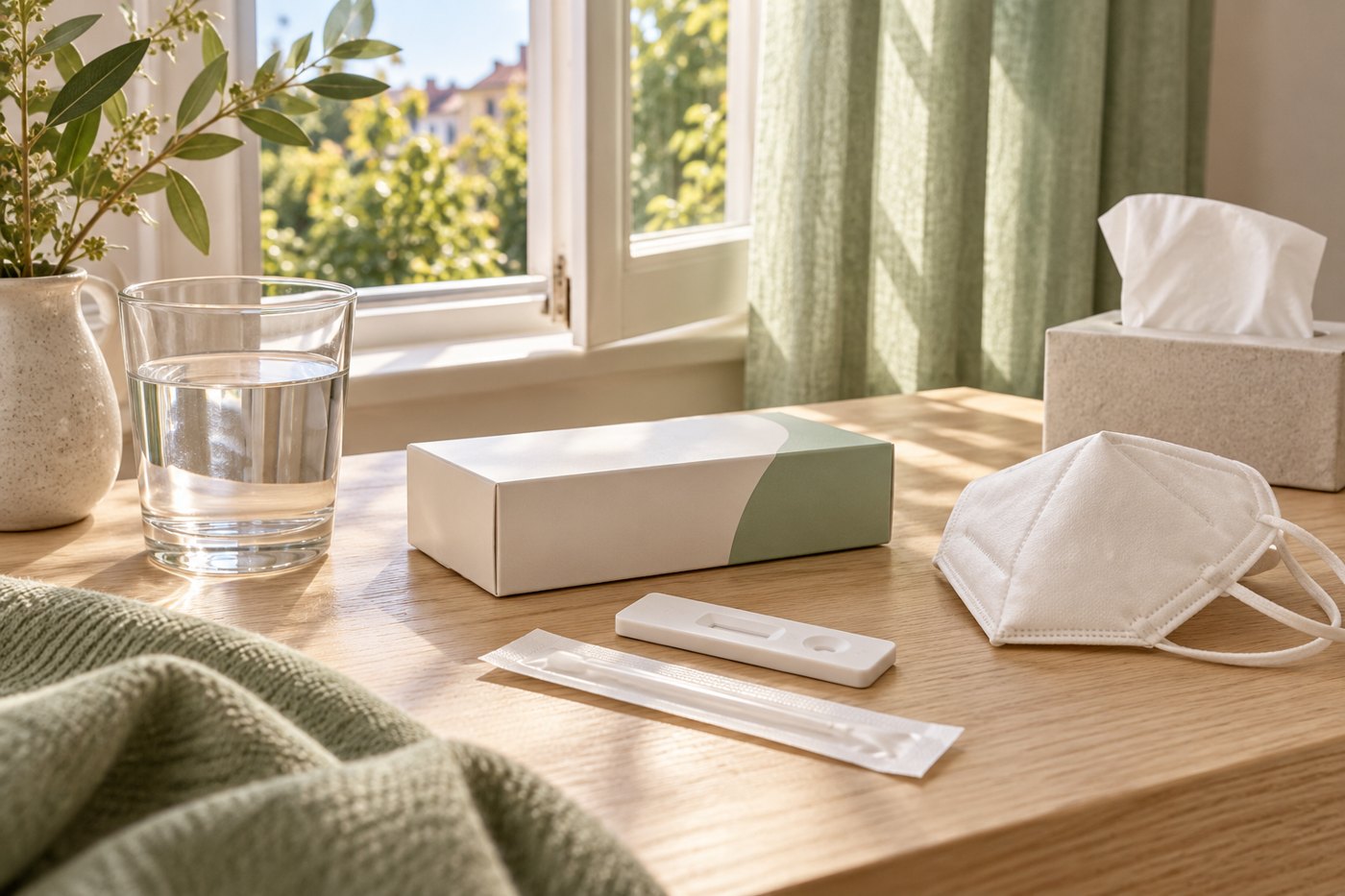 Seasonal prevention · Q&A guide
How can you lower your COVID-19 risk before flu season?
Use layered prevention: review immunizations with your clinician, improve indoor air, practice hygiene and consider additional precautions when exposure or personal risk is higher. No single step removes all risk.
Read the guide ↗Seasonal prevention · Q&A guideCOVID-19, flu or RSV: can symptoms tell you which one?
Symptoms can overlap. A symptom checklist alone cannot reliably identify the virus; testing and clinical context can help guide next steps.
Read the guide ↗Seasonal prevention · Q&A guideHow do you use a home COVID-19 test correctly?
Follow the instructions for your exact test, including sample collection, timing and what to do after a negative result. Products can differ.
Read the guide ↗Seasonal prevention · Q&A guideWhen can a mask add useful protection?
A well-fitting mask can be an additional respiratory precaution, particularly in crowded indoor settings or when you or people around you have higher risk. Fit and consistent use matter.
Read the guide ↗Seasonal prevention · Q&A guideHow can you improve indoor air for winter gatherings?
Bring in cleaner outdoor air when appropriate, improve ventilation and consider suitable air filtration. Cleaner air is one part of reducing respiratory exposure indoors.
Read the guide ↗Seasonal prevention · Q&A guideWhat should older adults ask about seasonal vaccines?
Ask which flu, COVID-19 and RSV recommendations apply to your age, health history and prior doses. These are individual decisions informed by current guidance.
Read the guide ↗Seasonal prevention · Q&A guideWhat should you do when respiratory symptoms start?
Stay away from others when sick and check current guidance for returning to normal activities. If you are at higher risk, contact a clinician promptly about testing and treatment options.
Read the guide ↗Seasonal prevention · Q&A guide7 useful items for a winter respiratory health kit
Prepare a small kit around practical needs: testing, communication, hygiene and comfort. The kit should support a care plan rather than encourage self-treatment with unfamiliar products.
Read the guide ↗ Healthy travel · Q&A guide
Which winter trips should older adults reconsider?
Reconsider itineraries with active health notices, limited access to care, difficult evacuation or exposures that conflict with your health needs. There is no permanent list of countries that every older traveler should avoid.
Read the guide ↗Healthy travel · Q&A guide5 winter travel situations worth rethinking after 65
Consider changing plans when travel combines crowds, poor ventilation, remote care, extreme conditions or a demanding schedule. Age alone does not determine whether you should travel.
Read the guide ↗Healthy travel · Q&A guideWhat belongs in an older traveler's health checklist?
Plan medication access, a health summary, insurance and local medical care before departure. Leave enough time to discuss vaccines and destination risks.
Read the guide ↗Healthy travel · Q&A guideHow do you check travel health notices before booking?
Use CDC destination pages and travel health notices, then consider what they mean for your activities and medical situation. Notice status can change.
Read the guide ↗Healthy travel · Q&A guideHow can you plan travel with a chronic condition?
Discuss the destination, schedule and medical access with your clinician, especially if symptoms or treatment have recently changed. Bring a realistic plan for continuity of care.
Read the guide ↗Healthy travel · Q&A guideHow can you reduce respiratory exposure while flying?
Use layered precautions suited to your risk: consider a well-fitting mask in crowded indoor spaces, follow hygiene advice and make a plan if you become sick. No seat or travel gadget guarantees protection.
Read the guide ↗ Movement & pain · Q&A guide
What should you know about new lower back pain?
Back pain can have different causes, and a website cannot determine yours. Keep track of onset, location and what changes the pain so a clinician can assess it.
Read the guide ↗Movement & pain · Q&A guideHow can you prepare for a visit about neck or shoulder pain?
Bring a short symptom timeline, your medication list and information about injuries or activities. These details are more useful than arriving with a diagnosis from a web search.
Read the guide ↗Movement & pain · Q&A guideWhat questions help you understand knee pain?
Ask what assessment is needed, which activities are appropriate and what symptoms should prompt earlier care. Knee pain is a symptom, not a single diagnosis.
Read the guide ↗Movement & pain · Q&A guideHow can desk workers add more movement to the day?
Build small opportunities to change position and move comfortably. A practical routine should fit your work rather than depend on holding a perfect posture all day.
Read the guide ↗Movement & pain · Q&A guideHow do you restart exercise after a long break?
Start with an activity and amount you can manage, then progress gradually. Your current health and symptoms matter more than what you could do years ago.
Read the guide ↗Movement & pain · Q&A guideWhen should you skip the body guide and get urgent help?
Seek emergency help for severe breathing difficulty, chest pain, stroke-like symptoms or other rapidly worsening severe symptoms. A body map is not an emergency assessment tool.
Read the guide ↗Nutrition & hydration · Q&A guideDo you need a wellness IV if you can drink normally?
An IV is a medical procedure, not a routine requirement for wellness. Ask a licensed clinician whether there is a specific reason to use it instead of oral intake or established treatment.
Read the guide ↗Nutrition & hydration · Q&A guideHow can you build a simple hydration routine?
Make drinking fluids part of ordinary meals and activities, adjusting to your circumstances and any medical guidance. There is no universal target that fits every person.
Read the guide ↗Nutrition & hydration · Q&A guide5 questions for a more useful nutrition appointment
Prepare questions about your goals, current routine, restrictions, medicines and practical constraints. A useful plan should fit daily life and medical needs.
Read the guide ↗Clinic literacy · Q&A guideHow do you choose a wellness clinic in Florida?
Compare clinician credentials, scope of practice, evidence, consent and follow-up. A listing or featured placement does not verify that a clinic is right for your condition.
Read the guide ↗Clinic literacy · Q&A guideWhat does a featured GSE partner clinic badge mean?
It means the clinic has been marked in our partner registry as an active GSE customer. It is commercial placement and does not establish clinical quality, safety or treatment outcomes.
Read the guide ↗Clinic literacy · Q&A guideWhat should you know before using a clinic locator?
Search results help identify nearby options; they are not a complete inventory or a medical recommendation. Confirm services, availability, pricing and clinician credentials directly.
Read the guide ↗Clinic literacy · Q&A guideWhat should informed consent help you understand?
You should understand the proposed procedure, expected benefits, uncertainties, material risks, alternatives and the option to decline. Ask questions before signing or paying.
Read the guide ↗Clinic literacy · Q&A guideHow can a clinic compare medical supply quotes responsibly?
Compare the exact product, intended use, packaging, storage requirements, availability and total cost. A low unit price is not a full procurement assessment.
Read the guide ↗Skin & wound care · Q&A guideWhat should you know about basic minor wound care?
Minor wounds need appropriate cleaning and protection, but deeper, contaminated, infected or difficult-to-heal wounds may need clinical care. Diabetes and other conditions can change the urgency.
Read the guide ↗Skin & wound care · Q&A guideWhat questions help you choose a wound dressing?
Ask what type of wound is being treated, how the dressing should be used and when it should be changed. Different dressings serve different purposes.
Read the guide ↗Clinic literacy · Q&A guideWhat can an A1C test tell you about blood sugar?
A1C reflects average blood glucose over roughly the past three months. A clinician interprets the result alongside symptoms, other tests and factors that can affect accuracy.
Read the guide ↗Everyday biohacking · Q&A guideHow do you build a wellness plan you will actually use?
Choose a priority, a small action and a review date. A plan you can repeat is more useful than a long list of products and habits that competes with everyday life.
Read the guide ↗