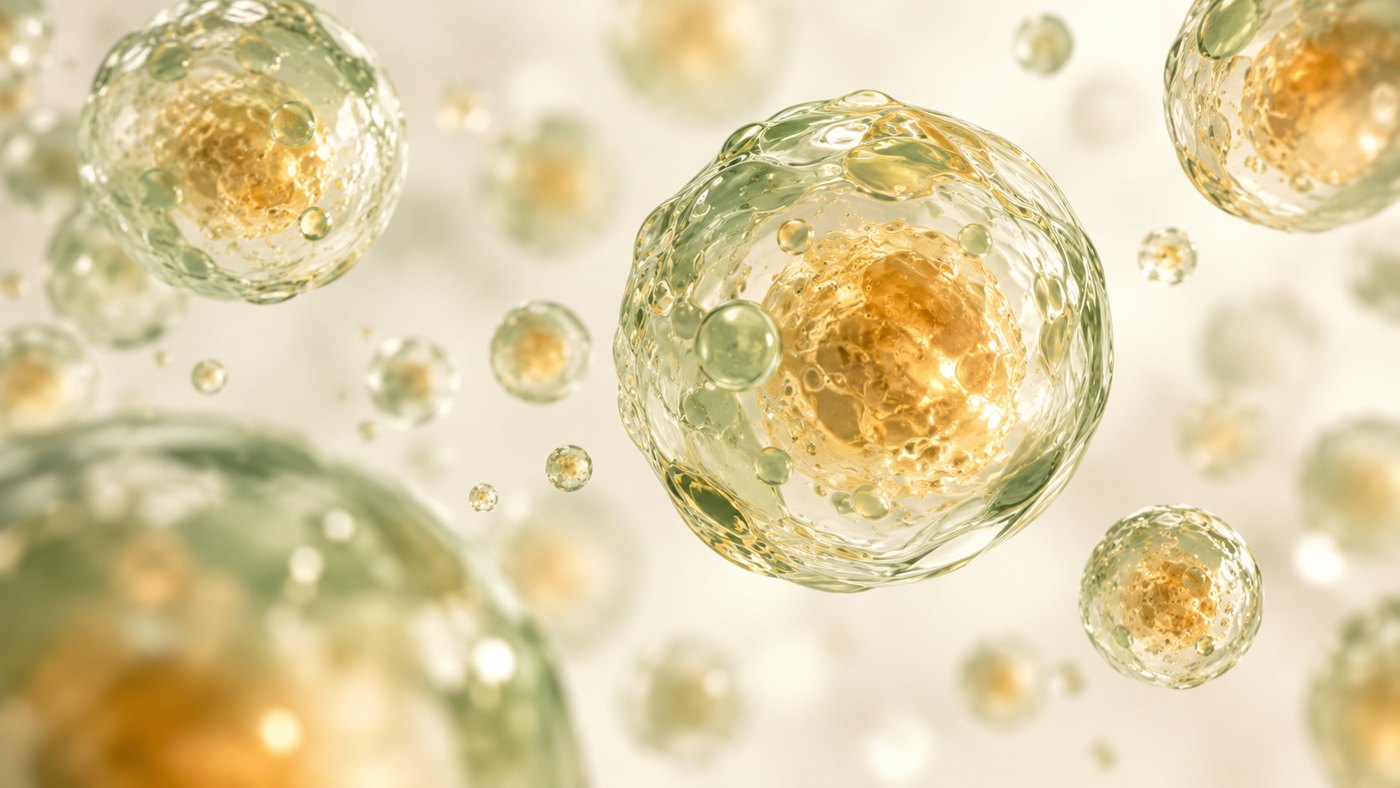
AI-generated editorial illustration. Illustrative only; not a patient, product endorsement or clinical result.
THE SHORT ANSWER
Exosomes are tiny extracellular vesicles involved in communication between cells. Understanding that biology is different from proving that a commercial exosome product safely treats a person.
What is useful to understand?
A laboratory finding can generate a research question, but it cannot establish the benefit of a marketed treatment. Product composition, manufacturing, intended use and clinical evidence all matter. FDA currently states that there are no FDA-approved exosome products.
What can you ask or do next?
- Separate the biological explanation from the product claim.
- Ask for human evidence for the exact product and intended use.
- Ask about FDA oversight before considering an intervention.
One more question
Are exosomes the same as stem cells?
No. Exosomes are vesicles released by cells; they are not living stem cells. That distinction does not establish safety or effectiveness.
Where can you check the source?
Read the reference at fda.gov ↗
Reference checked during preparation on October 20, 2026. Guidance may change. A source link does not mean the source reviewed or endorsed this article.
General education, not an individual diagnosis or treatment plan. For severe or rapidly worsening symptoms, seek urgent medical help. No clinician review is claimed for this content.
Regenerative scienceAre exosome products FDA approved?
Regenerative scienceExosomes versus stem cells: what is the difference?
Regenerative scienceWhat should you ask a clinic about regenerative treatments?